
Logic Puzzles
Pure reasoning, no reflexes required. These logic puzzles ask you to plan routes, sort liquids, untangle paths and think two moves ahead. Every game here runs free in your browser with no download, and none of them punish you with timers — take as long as you need to find the clean solution.
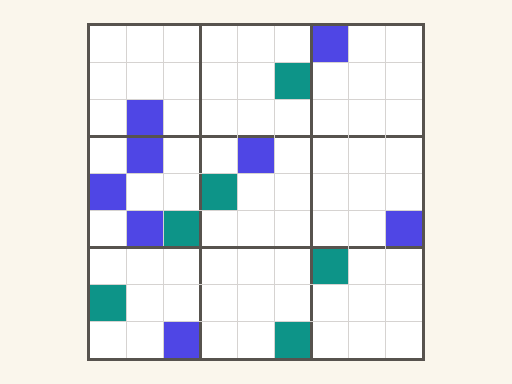
Sudoku
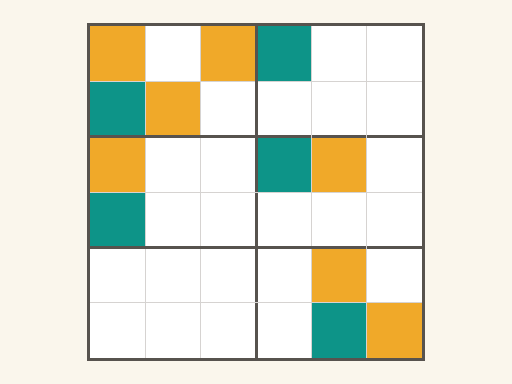
Mini Sudoku 6x6
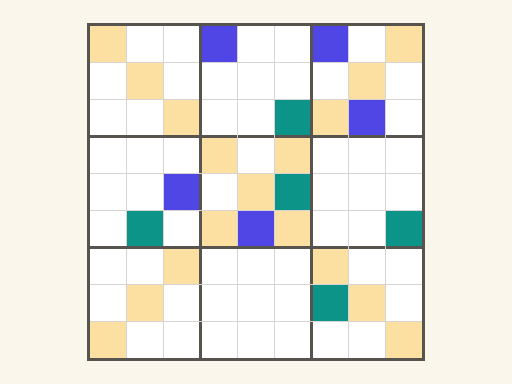
Diagonal Sudoku (Sudoku X)
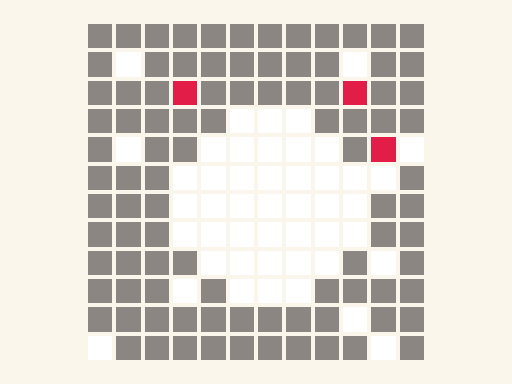
Minesweeper
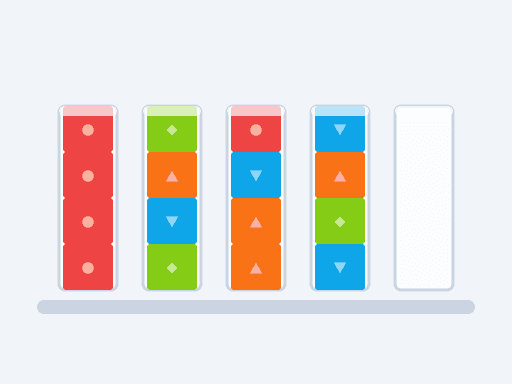
Colour Sort
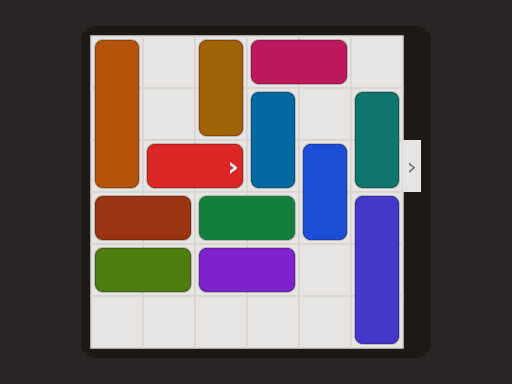
Unblock
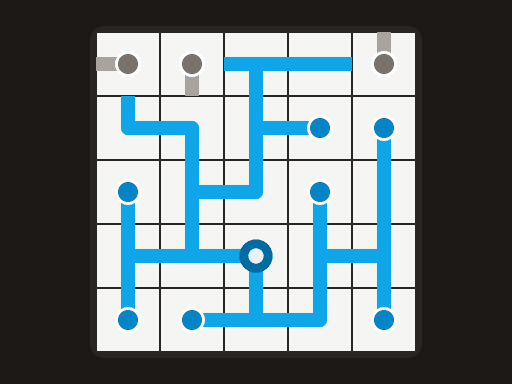
Pipes
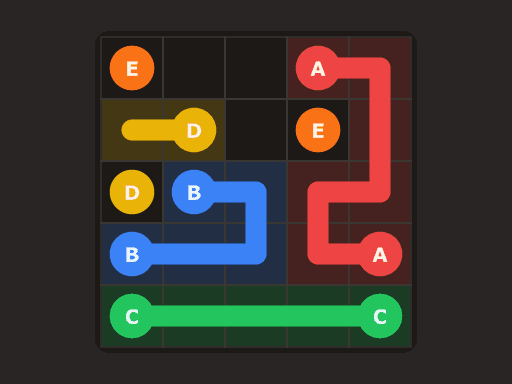
Flow
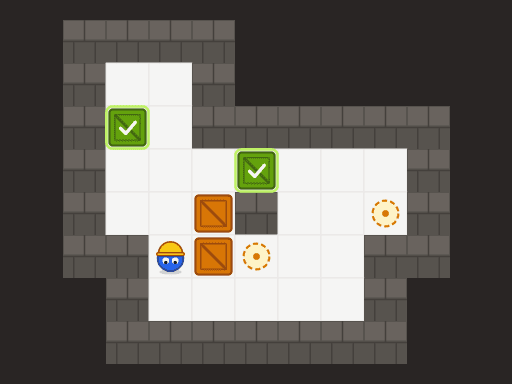
Crates
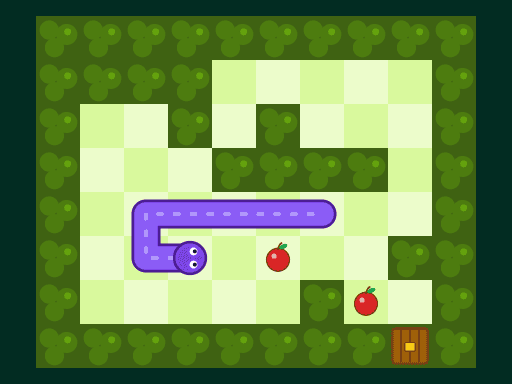
Coil
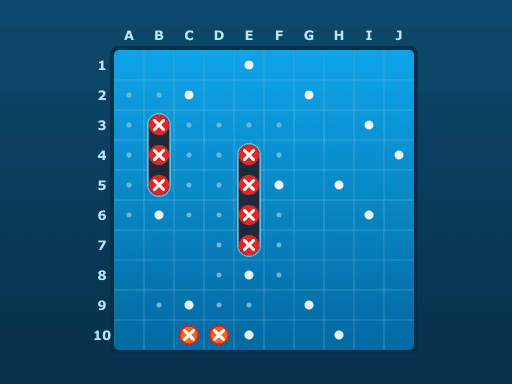
Sea Battle
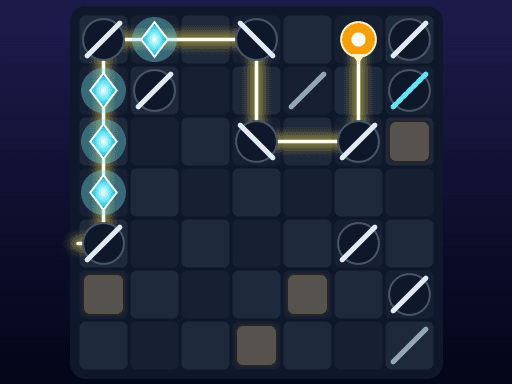
Light Beams
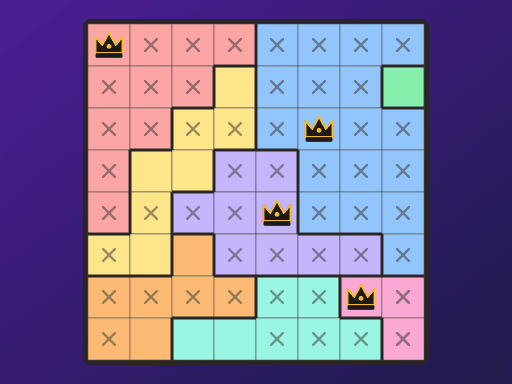
Crowns
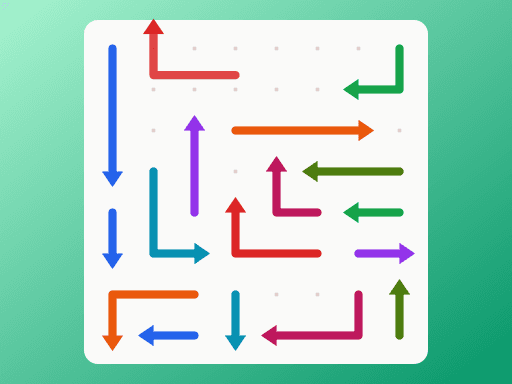
Arrow Escape
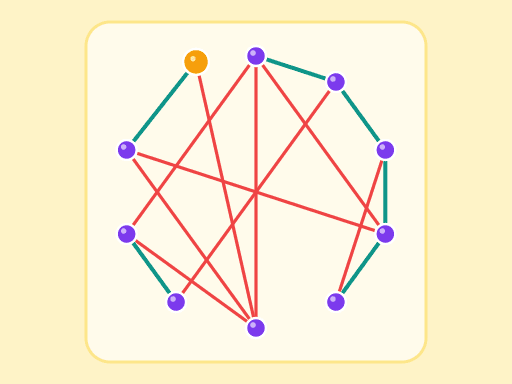
Untangle
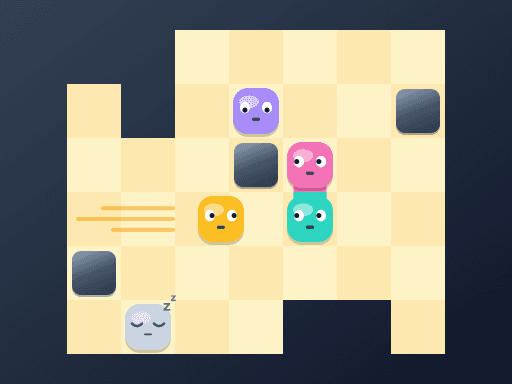
Blob Slide
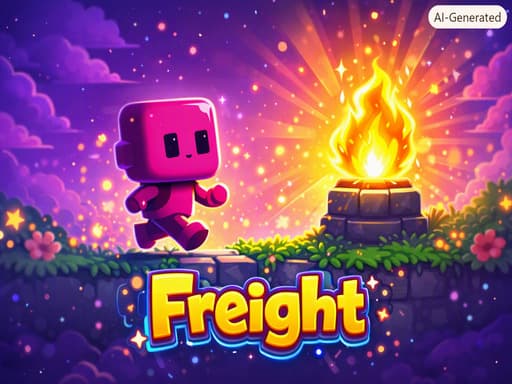
Freight

100 Doors - Escape from Prison

Amaze Escape
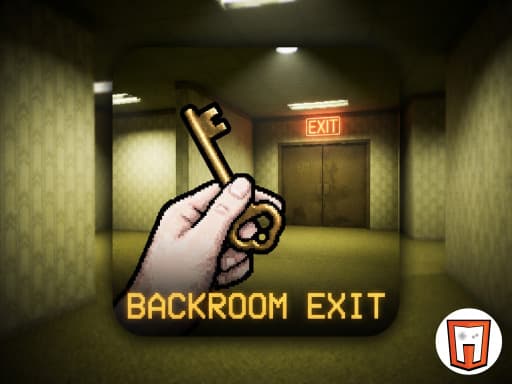
Backroom Exit
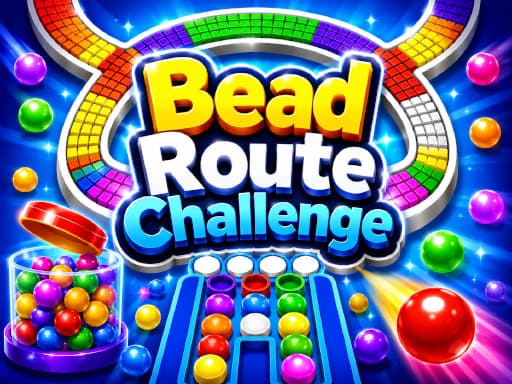
Bead Route Challenge
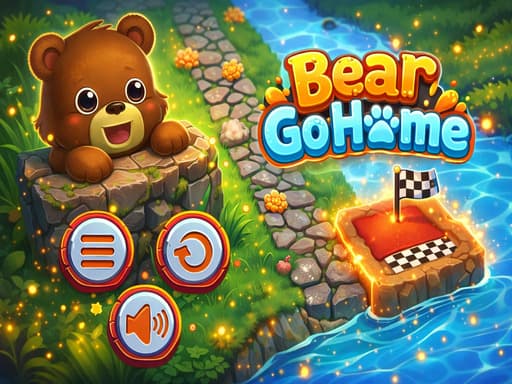
Bear Go Home
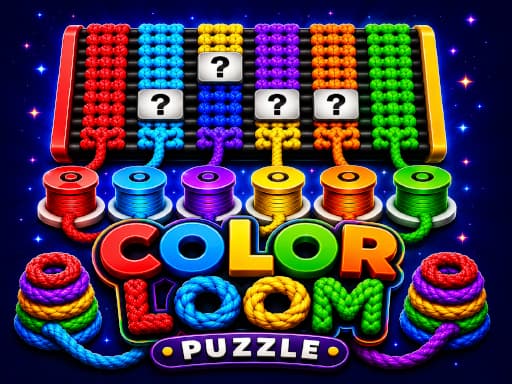
Color Loom Puzzle

Daddy Rabbit

Go Octopus Find Pearl

Landing Hero
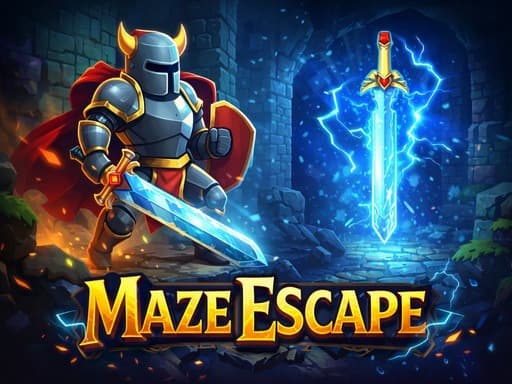
Maze Escape Hero

Noobcraft House Escape

Pull the Thread - Puzzle

Ring Fall Puzzle

Rope Bowing Puzzle

Sand Truck

Save The Planet

Somewhere

The Rooms-Escape Challenge

Thief Stick Puzzle Man Escape
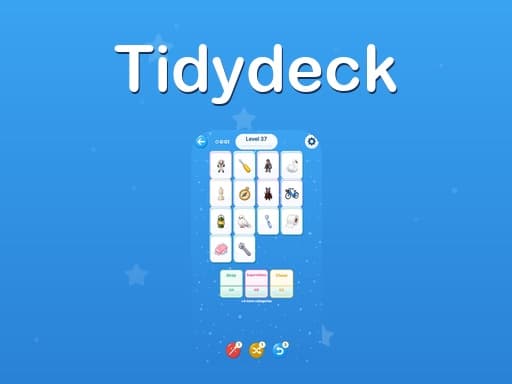
Tidydeck: Sort Puzzle

Twist And Roll

Rolling Football
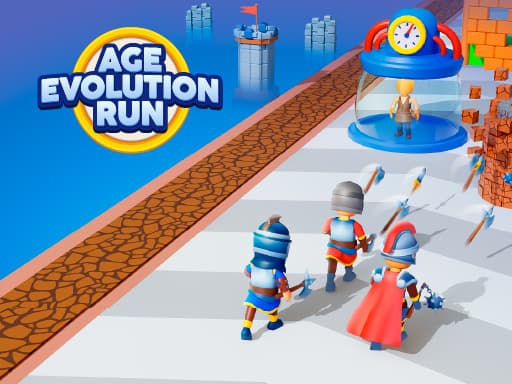
Age Evolution Run
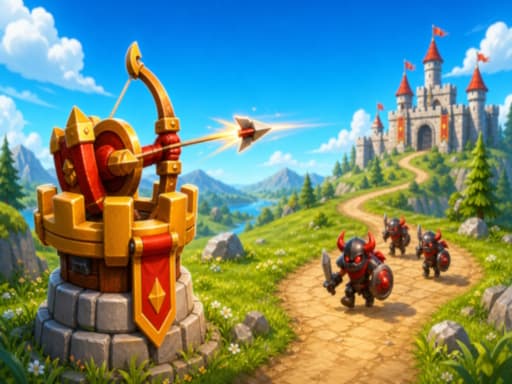
Royal Defense

Rabbit Carrot
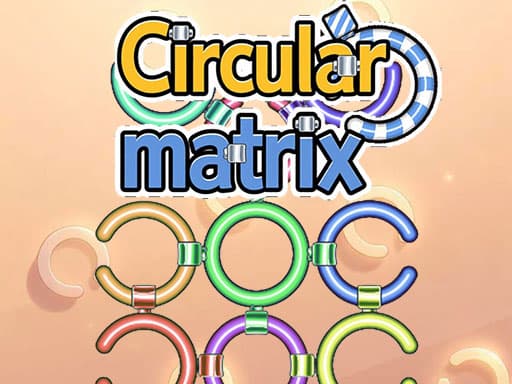
Circularmatrix

Grass Flip

Bump the Balls
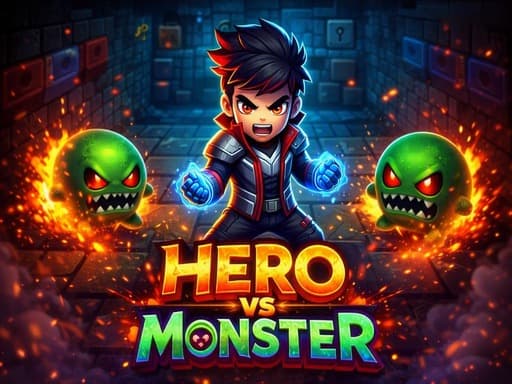
Heros vs Monster
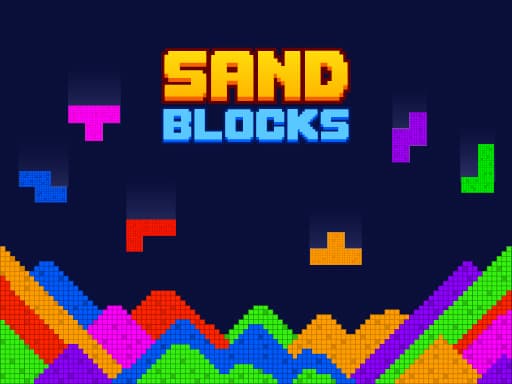
Sand Blocks
Box It Up
What counts as a logic puzzle
A logic puzzle gives you everything you need to reach the answer and nothing you don't. There is no luck, no hidden information revealed by chance, and no test of reflexes: every correct move follows from what is already in front of you. That is what separates logic puzzles from the rest of a games catalogue, and it is why they reward patience far more than speed.
Sudoku is the best-known example. You fill a nine-by-nine grid so that every row, column and three-by-three box holds each digit once, and despite the numbers, no arithmetic is involved; the digits could just as well be letters or colours. Mini Sudoku shrinks the grid to six by six for a shorter sitting, and Diagonal Sudoku adds the two long diagonals as extra constraints. Minesweeper asks you to clear a field using numbered squares as clues, and every board we serve is checked to be solvable without guessing. Alongside those you will find routing puzzles, liquid-sorting puzzles and sliding-block challenges built on the same principle.
Why they feel so satisfying
The pleasure is in the moment a stuck position gives way. You look at a grid that seems to offer nothing, notice that two cells in a box can only hold the same two values, and suddenly half the board resolves. Because the answer was there all along, reaching it feels earned in a way a game of chance cannot match.
Logic puzzles also scale unusually well. An easy sudoku falls to simple scanning, while an expert one asks you to hold several chains of reasoning at once. The rules never change, only the depth of thought required, so the same game can carry you from beginner to expert.
Improving your logic play
Start with the most constrained part of the puzzle: the row with the most digits already placed, or the number surrounded by the fewest unopened squares. Write down candidate values, but only where you are stuck rather than across the whole board, because a full sweep is slow and rarely needed. And if you ever find yourself guessing, stop. In a well-made logic puzzle, a guess means you have missed a deduction, not that the puzzle has run out of clues.