
Word Games
Stretch your vocabulary with free online word games. This collection covers word searches, letter-linking puzzles and hidden-word hunts — all playable instantly in your browser. Start with today's Lexo daily word if you want a quick five-minute ritual, then work through the grid puzzles below at your own pace.


How word games work
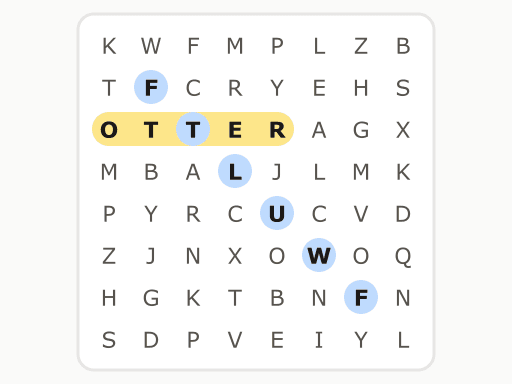
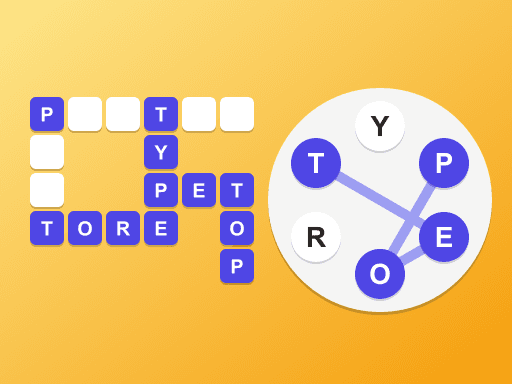
Word games test the part of your vocabulary you know but rarely use, and most of them belong to one of a few families. Guessing games hide a word and give you a limited number of attempts, grading each guess so you can narrow the answer down; Lexo, our own daily five-letter word, works this way. Construction games hand you a set of letters and ask how many real words you can build from them. Beeline gives you seven letters in a honeycomb and asks you to use the centre one every time. Search games hide words in a grid of letters, running across, down or diagonally, and ask you to find them.
The skills overlap less than you might expect. Guessing games are about elimination: the best second guess is often a word you already know is wrong, chosen because it tests the most new letters. Construction games reward spotting patterns, such as noticing that a set holding the letters for -ing or re- turns one word into five. Search games are mostly careful visual scanning, and suit a slower, more relaxed session.
What makes a word game worth playing
A good word game is fair about its dictionary. Few things are more frustrating than typing a word you know is real and being told it isn't, so the better games accept a wide word list while keeping the answers themselves to words most people have met. Beeline does this deliberately: uncommon words still score as bonuses, but the ranks are set by everyday vocabulary.
Daily puzzles have a particular appeal. Because everyone gets the same letters or the same hidden word, a daily puzzle gives you something to compare with friends and a reason to come back tomorrow, and a streak turns a two-minute habit into a long-running one.
Getting better
Read widely, and pay attention to letter patterns rather than whole words. In guessing games, open with a word rich in common letters and use your second guess to confirm what the first one ruled in. In construction games, work systematically through prefixes and suffixes before hunting at random, and shuffle the letters whenever you stall: the same seven letters read quite differently in another order.