
Block Puzzles
Drag, drop, clear, repeat. Block puzzles are the modern heirs of the falling-brick classics: fill rows and columns on a grid to blast them away and keep the board alive as long as you can. Deceptively simple to learn, genuinely hard to master — a perfect coffee-break brain workout.
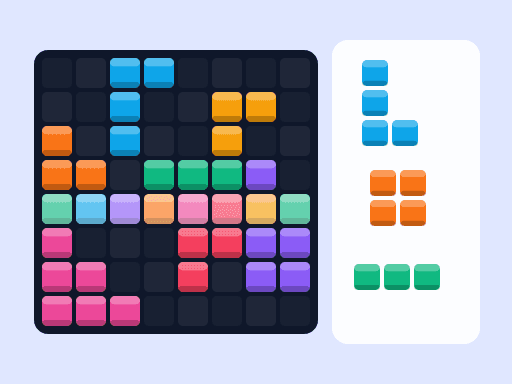
Block Puzzle
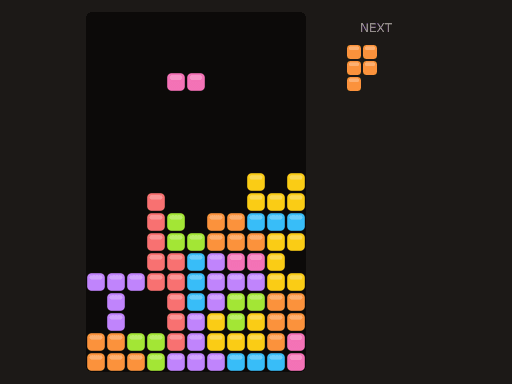
Falling Blocks
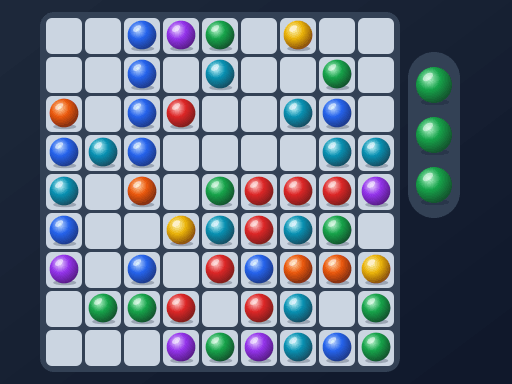
Lines of Five
Flip Fork Game
MINE BLADE Online KitPvP
Charade 3D Game
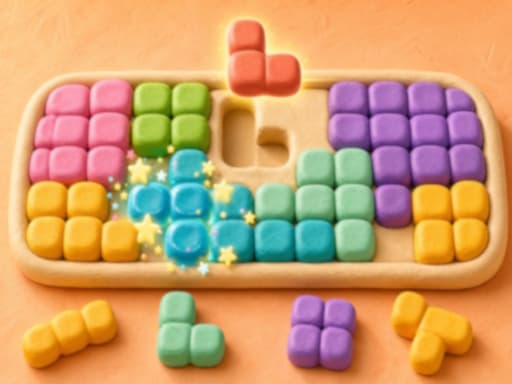
Color Mosaic
Rolling Cubes: 3D Puzzle
Jigsaw: Pusha Pusha
Big Smash
Blockibo: Color Blocks
Royal Jelly Jam
How block puzzles play
Block puzzles give you a grid and a supply of shapes, and ask you to fit the shapes in so that complete rows or columns clear away. The classic falling-block games drop pieces from above against the clock. The modern tray style, which most of the games here follow, hands you a few pieces at a time and lets you place them wherever you like, with no timer at all.
That difference changes the game entirely. Without falling pieces, the challenge is planning rather than reaction speed. Pieces usually cannot be rotated, the tray refills only when it is empty, and the game ends not when the board is full but at the moment none of your pieces fits anywhere. Plenty of runs end with much of the board still open, because one awkward shape had nowhere to go.
What separates good play from bad
Beginners place each piece in the first gap it fits. Experienced players look at every piece in the tray before placing any of them, because order matters: a large piece placed first can leave room for the small ones, while the reverse often traps you.
Space is the resource you are really managing. Keeping one edge of the board low, or one long corridor clear, gives you somewhere to put the awkward shapes when they arrive. A scattering of isolated single-cell holes is the pattern that ends most runs, since only the smallest pieces can fill them.
Clearing several lines at once usually earns a combo bonus, which tempts players into building up large stacks. That can pay off, but it also removes your safety margin, and a mostly full board leaves little room to recover from an unlucky set of pieces.
Who block puzzles suit
Block puzzles are among the most relaxing games in the catalogue: quick to learn, easy to pause and satisfying in small doses. They suit a coffee break as well as a longer session, and because most have no timer they reward thinking over reflexes. If you enjoy them and want deeper reasoning, try the logic puzzles; if it is the clearing you like, match-3 games scratch a similar itch.